What an electrical safety inspection covers
An electrical safety inspection is a look over the whole electrical installation, with testing, by a licensed electrician. It is not a building inspection. A building inspector may write "exposed wiring in the roof". I find out what that wiring is, whether it is live, and what it would take to fix.
It covers what can be seen and reached safely. I do not pull down ceilings or lift floors. If the roof space can be got into safely, the wiring up there is part of it.
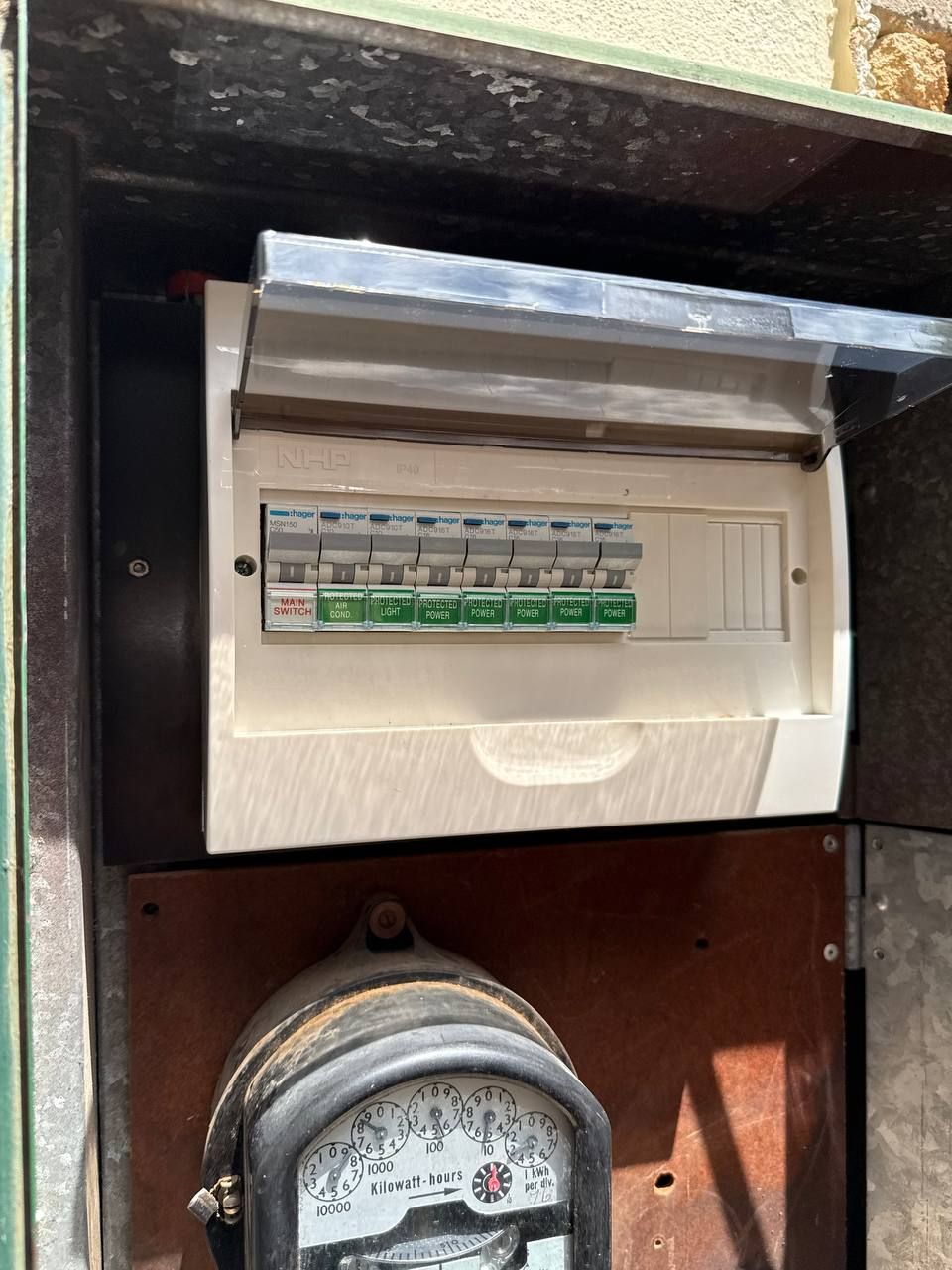
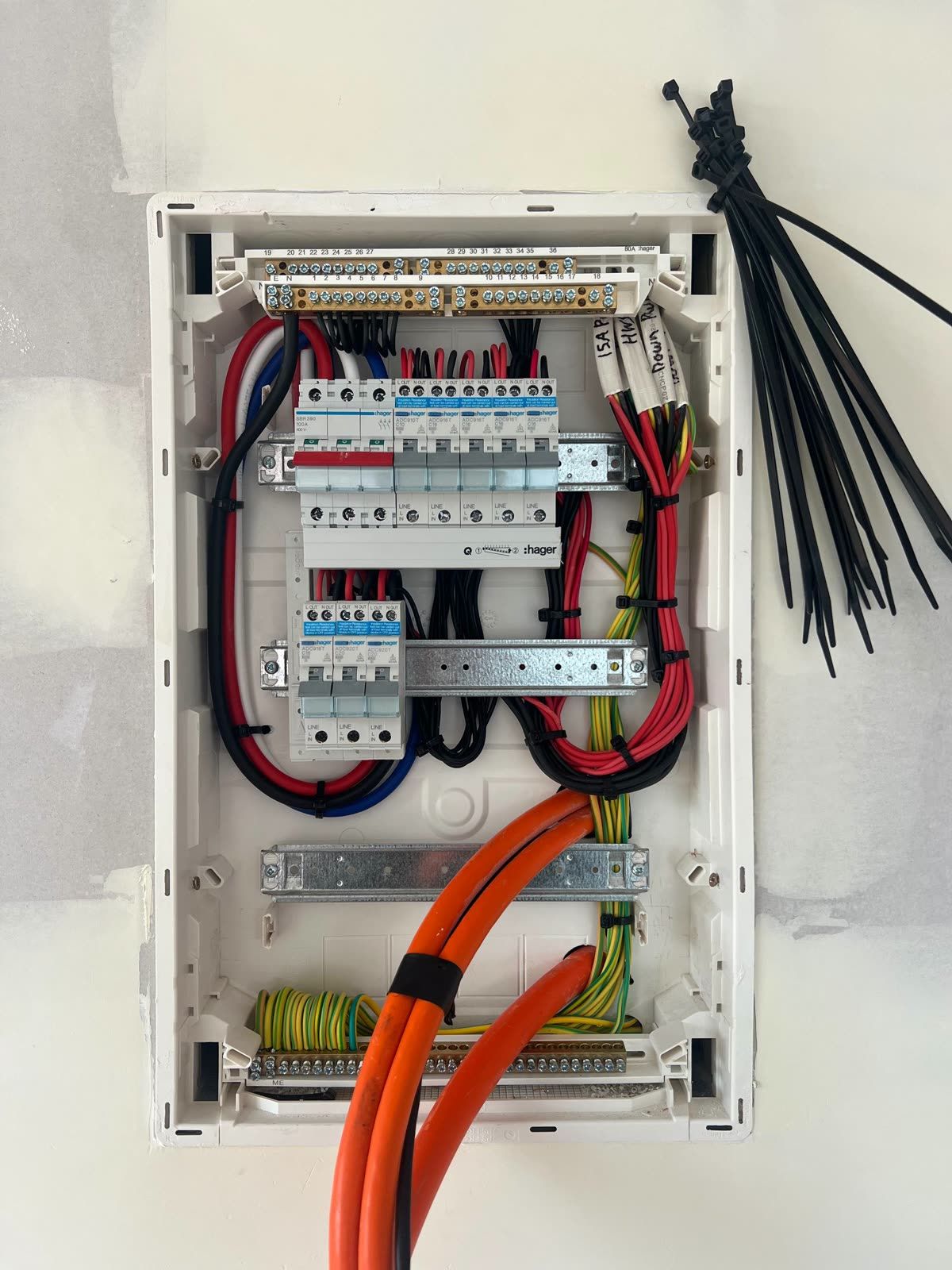
- The switchboard and the meter panel
- The safety switches, and which circuits each one protects
- The main earth and the earth stake
- The type and condition of the wiring
- Power points, switches and light fittings
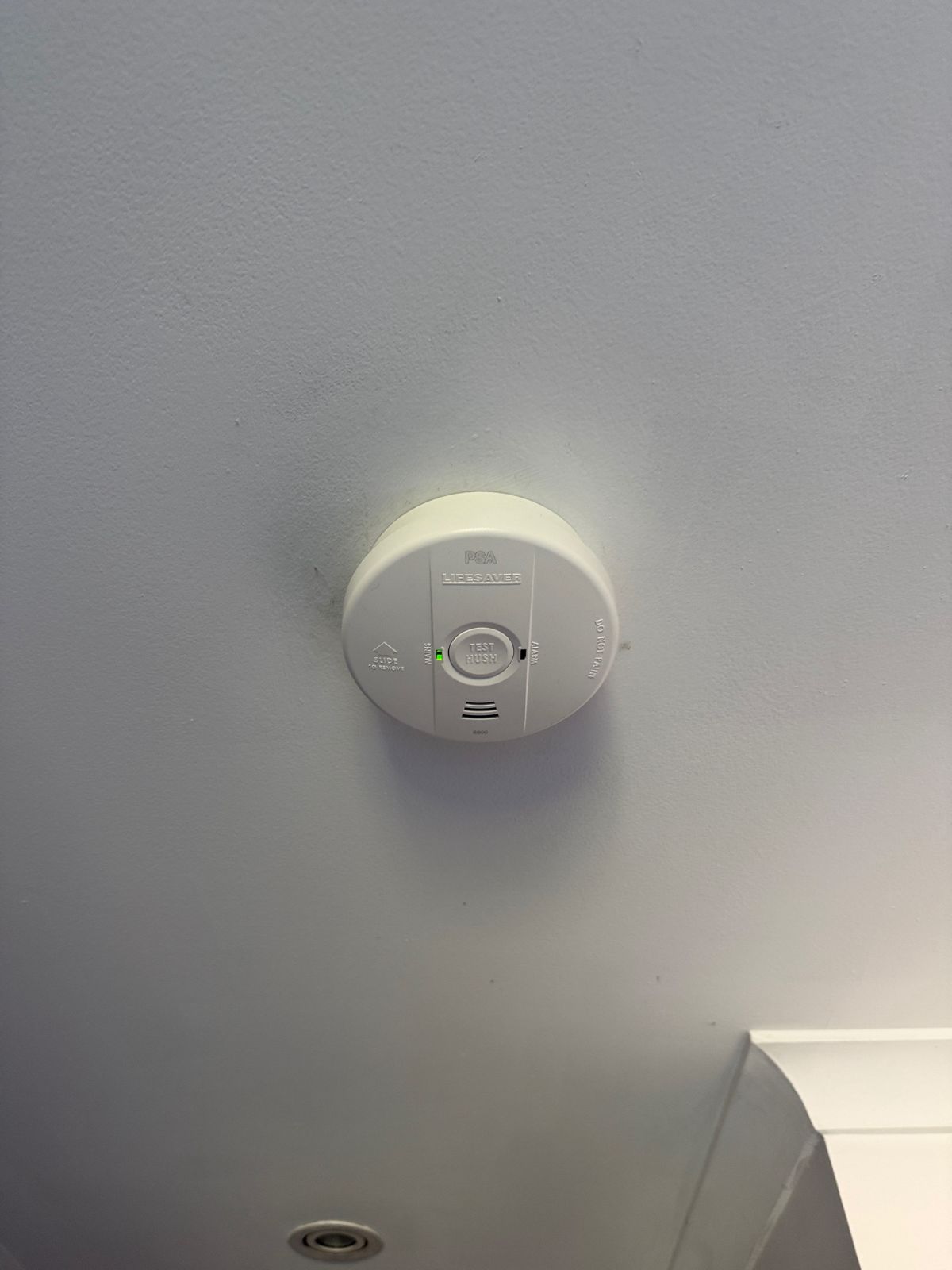
- Smoke alarms
- Outdoor power, and pool circuits where there is a pool
When do you need an electrical safety check?
These are the reasons people have actually booked one with me.
You are buying a house
Book it inside the cooling-off period, alongside the building and pest inspection. The agent arranges access. You want the report before the deadline, not after.
You are renting a property out
You want a dated record of the condition of the electrics, for you, your tenants and the next tradie. Landlords also need to know where they stand on smoke alarms and safety switches. There is more on that below.
Something has failed
A safety switch that will not reset, a burning smell, power that has gone off and not come back. If it is a live fault, start with fault finding or the emergency electrician page. Once it is safe, an inspection tells you whether the rest of the house has the same problem.
Power has to be reconnected
A property that has sat empty, or a unit that has been disconnected, may need to be inspected and tested before the supply can go back on.
Your insurer, lender or strata manager has asked
I inspect and report on what I find. Check with them what they need the report to say, and tell me when you book.
The home is older
Many older Adelaide homes still have ceramic fuses, one safety switch shared by the whole house, or old cotton and rubber covered cable in the roof. None of that makes a house a bad buy. You just want to know which of it applies to this house.
What I check on an electrical inspection
This list comes from inspections I have done. What I look at depends on the property, and we agree how far it goes before I come out, for example whether the roof space is included.
The switchboard
- Ceramic fuses or circuit breakers
- How many safety switches there are, and how many circuits each one covers
- Signs of heat or damage, and whether the board is in rough shape
- The backing panel. Some older meter panels are the type that can contain asbestos. That needs testing by a licensed assessor before anyone works on it
Testing
- Safety switch trip times
- Earth continuity, and the main earth and earth stake
- Insulation resistance and polarity, where the job calls for it
- For pools: the bonding of the metal around the pool, the pool circuit's safety switch, and voltage between the water and the surrounds
Wiring
- Old cotton or rubber insulated cable, and whether it has been replaced and disconnected
- Unsupported cable in the roof space
- Exposed wiring flagged by a building inspector
- Switches that have been wired wrong
Around the house
- Cracked or loose power points and switches
- Power points too close to a bath or shower
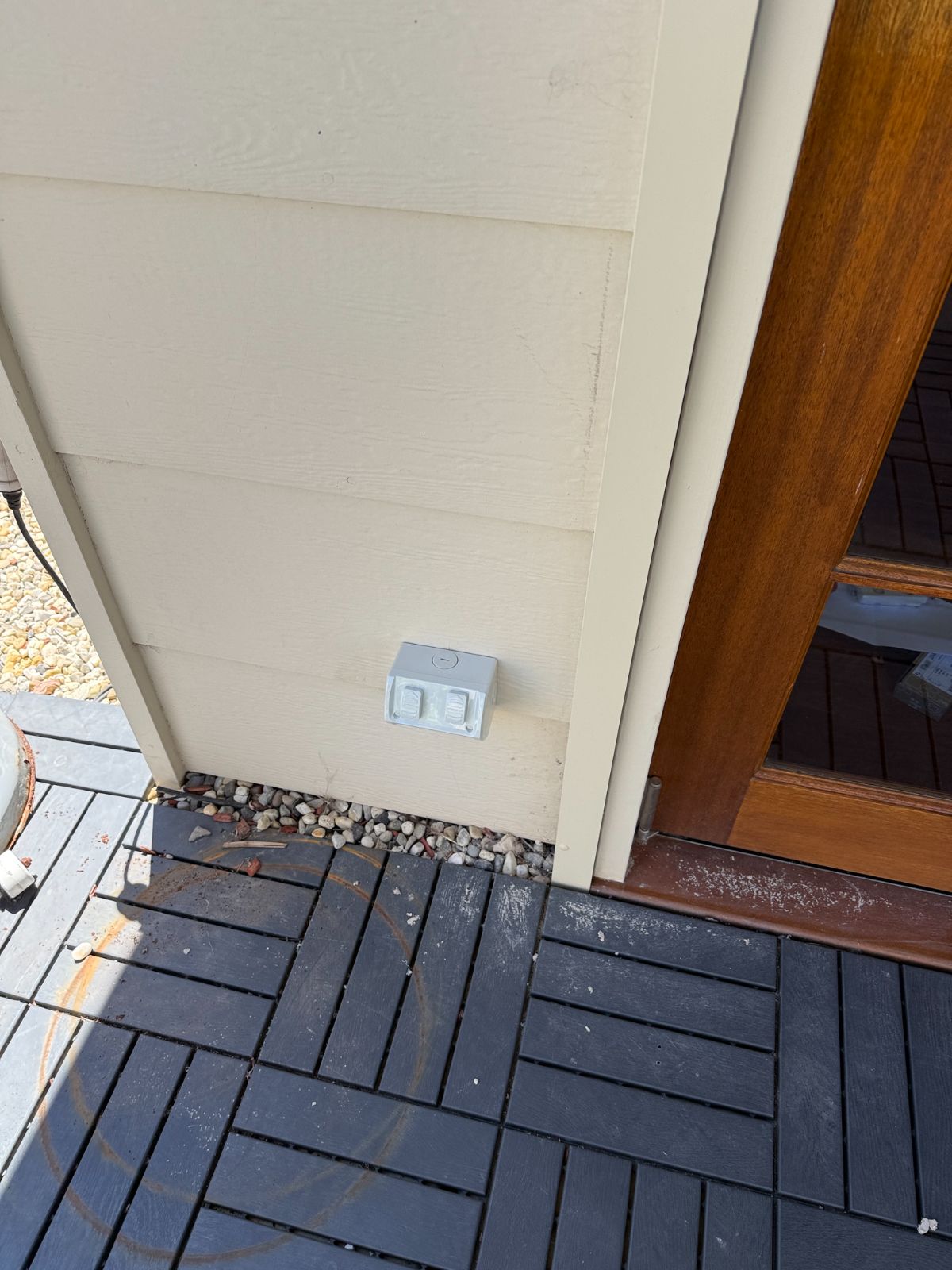
- Outdoor power points that are loose or not weatherproof
- An isolating switch at the air conditioner
- The height of the overhead power lines over the driveway
- Smoke alarms
- Electrical appliances, if you ask for them to be included
Recent electrical inspections in Adelaide
Real jobs from this year. Suburb and job number only.
Pre-purchase inspection, Rosewater (#803, September 2026)
The buyer needed it before cooling-off ended. I inspected the wiring, switchboard, safety switches, smoke alarms and appliances, and the report went out ahead of the deadline. The good news: the board had been upgraded and the old cotton and rubber wiring was already replaced. It also found overhead mains too low over the driveway, a loose outdoor power point that was not weatherproof, and a power point too close to the bath. The buyer made the call with the report in hand.
Reconnection inspection, Nailsworth (#778, September 2026)
A unit needed its power reconnected. The shared earth for the building had failed: the main earth conductor was loose on the ground and there was no earth stake in service. I could not certify it for reconnection. The owner got a written condition report to give the strata manager. The earthing was then replaced for the body corporate (#782).
Pool electrical safety inspection, Norwood (#318, June 2026)
Tested the bonding, earthing and safety switch on a pool. The metal around the pool was not properly connected to earth, which is a shock risk. I isolated the pool's power and reported it unsafe to use until fixed and re-tested.
Empty commercial property, Glen Osmond (#345, June 2026)
Unoccupied for over a year. Inspected and tested so the installation could be certified safe to switch back on.
Full safety check, Klemzig (#253 and #277, May 2026)
A full safety check of the house. With the owner's OK, I fixed a wrongly wired switch and a faulty kitchen dimmer while I was there. The switchboard was in rough shape, so the owner booked a full board upgrade, with a safety switch on each circuit, as a separate job.
First home, Broadview (#328, June 2026)
New owners came to me after their building inspection flagged exposed wiring in the roof. I went through the house and assessed the roof wiring.
Landlord inspection, Sefton Park (#100, March 2026)
A two-bedroom 1980s unit. The owner wanted a record of the electrical condition for tenants and future tradies.
What you get after an electrical safety inspection
You get a written report. It starts with the short version, then gives the detail with photos and the measurements I took. It is ordered so you know what to do first.
- What is in good order. That matters too, especially if you are buying
- What is unsafe and needs fixing now
- What should be fixed, but is not urgent
The report is yours. Use it to negotiate, to plan the work, or to brief a strata manager. If you want the fixes priced, I can quote them separately.
Report or certificate?
An inspection on its own gets a report. A Certificate of Compliance is for electrical work that has been done and tested, or when supply is being connected again. If I fix things, you get a certificate for that work.
What happens if something fails the inspection?
If something is dangerous right now, I tell you on the spot. Where needed I make it safe there and then, like isolating the pool circuit in Norwood. Nothing else gets done without your OK.
If something cannot be signed off, I tell you why and what has to happen first. In Nailsworth, the power could not go back on until the shared earth was fixed.
Everything else goes in the report, in order. Small things can sometimes be fixed on the day if you want. Bigger work, like a switchboard upgrade or new smoke alarms, is priced as a separate job. You can have it done by me or by anyone you like.
Rental properties: smoke alarms and safety switches in SA
In South Australia the owner of a rental is responsible for working smoke alarms. Homes approved since 1 January 1995 need them wired to mains power. When an older home changes hands, the new owner has six months from title transfer to fit mains-wired or 10-year sealed-battery alarms. That is from the SA Metropolitan Fire Service.
For safety switches, check your obligations with your property manager or Consumer and Business Services. What I can tell you is how many safety switches the property has, which circuits they cover, and whether they trip when tested.
The report gives you a dated record of the rental's condition on the day I inspected it.
What customers say
Marcus is professional, friendly and competent. He identified a significant issue with old electrical work in my house that I had no idea existed. I thoroughly recommend him
Rachel, St Peters · Google review · April 2026
How to book an electrical safety inspection
- Text photos of the switchboard and your suburb to 0468 008 822, or request a written quote. Buying and no access yet? The listing link and the suburb are enough to start.
- Tell me why you need it (buying, renting, a fault, insurance, strata) and any deadline, like the end of cooling-off.
- We agree what is included, and a time that suits you, your tenant or the agent.
- I inspect and test. You get the written report.
Electrical safety inspection questions
How much does an electrical safety inspection cost?
It depends on the size of the property and what you want covered, for example whether the roof space and appliances are included. Text photos of the switchboard and your suburb and you will get a written quote before anything is booked.
How long does an electrical safety inspection take?
It depends on the size of the home, how many circuits it has and how easy the roof space is to get into. A small unit is quicker than a large older house with extensions. I give you an idea when we book.
Is an electrical inspection the same as a building inspection?
No. A building inspector looks at the structure and may note an electrical item, like exposed wiring in the roof. An electrical inspection tests the installation itself. Buyers often book both at the same time, and the agent can arrange access for both.
Do I get a certificate after an electrical safety inspection?
An inspection on its own gets a written report. A Certificate of Compliance is issued for electrical work that has been done and tested, or when supply is being connected again. If I fix things, you get a certificate for that work.
Do landlords in SA need an electrical safety check?
The owner of a rental is responsible for working smoke alarms. For anything beyond that, check with your property manager or Consumer and Business Services. An inspection gives you a dated, written record of the property's electrical condition.
What happens if something fails?
If it is dangerous right now, I tell you on the spot and make it safe where needed. Nothing else is done without your OK. Everything else goes in the report in order of urgency, and any repairs are quoted separately.
Can you inspect a house before I buy it?
Yes. That is one of the most common reasons people book. Tell me your cooling-off deadline when you book, so the report reaches you in time.
Can you test the appliances as well?
Yes, if you ask for them to be included when you book. Say which appliances, so they are part of the quote.
Related services
- Switchboard upgrades: when the board is the weak point
- Smoke alarm installation: mains-wired and 10-year alarms
- Fault finding: when something has already failed
- What an electrical safety inspection checks: the longer guide
Book an electrical safety inspection
Text a photo of the switchboard and your suburb for a written quote.